
By Simon Stokes, Challenger Heating Services
Most UK homes still rely on gas boilers, and for many households, replacing the whole heating system isn’t realistic right now.
The good news? You don’t need a full upgrade to make a real difference.
Here are 10 simple, practical ways to improve your home’s energy efficiency — saving money and reducing waste — without replacing your boiler.
1. Fit a Room Thermostat
A room thermostat stops your heating from running when it’s not needed.
If you don’t have one, it’s one of the easiest and most cost-effective upgrades you can make.
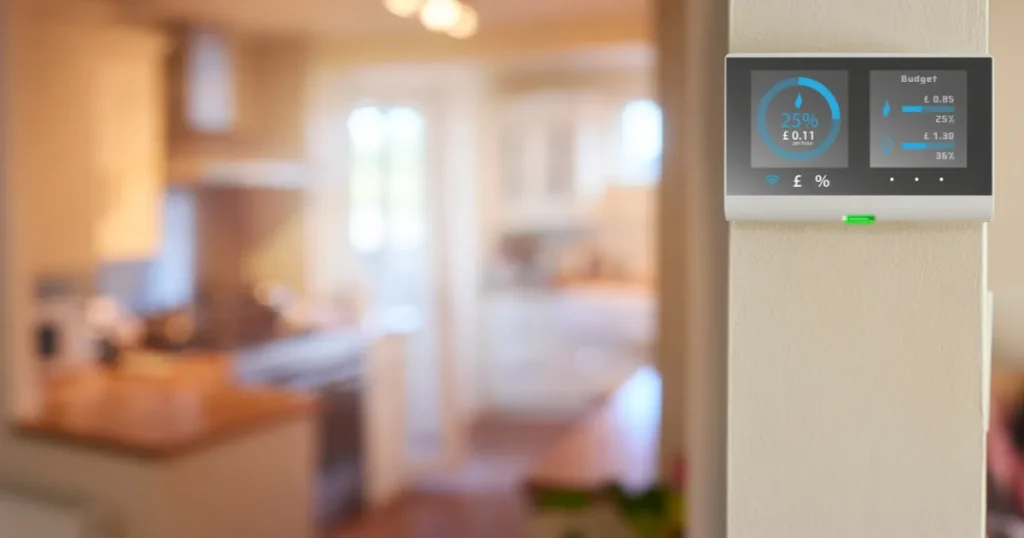
2. Upgrade the Thermostat
Old thermostats can lose accuracy.
A programmable or smart thermostat gives you better control over your heating schedule — helping cut energy use by up to 12% or more.
3. Add Weather or Load Compensation
These controls help your boiler adjust its output based on:
- The outdoor temperature (weather compensation)The temperature inside your home (load compensation)
The result: just enough heat to stay comfortable, without using extra energy.
4. Zone Your Heating
In bigger homes, heating zones let you control areas separately.
For example, bedrooms can stay cooler during the day while living spaces stay warm — cutting down on wasted heat.
5. Reduce the Flow Temperature
Lowering your boiler’s flow temperature (to around 55°C) can boost efficiency.
It helps the boiler condense more heat from exhaust gases, reducing wasted energy without making your home colder.
6. Treat the System
Over time, heating systems collect sludge or air that reduce performance.
Flushing the system, adding inhibitor chemicals, or fitting a magnetic filter can keep everything running smoothly and extend the system’s life.
7. Balance the Radiators
Balancing ensures all radiators heat evenly.
Without it, some rooms overheat while others stay cold. A balanced system improves comfort and avoids wasted energy.
8. Improve Insulation
Heat easily escapes through:
- Uninsulated pipesLoft spacesHot water cylinders
- Adding pipe lagging, cylinder jackets, and topping up loft insulation (to ~270mm) can reduce heat loss by up to 25%.
9. Draught-Proof the House
Small gaps around windows, doors, or chimneys let heat escape.
Using draught-proofing strips, letterbox covers, or chimney balloons can help keep the heat in and cut cold draughts.
10. Upgrade the Boiler (if Needed)
If your boiler is old and inefficient, replacing it with a modern A-rated condensing boiler can deliver major fuel savings — especially if you’re planning to stay in the house long-term.
Final Thoughts
Improving energy efficiency isn’t always about major upgrades — small, smart changes can add up to significant benefits. Whether it’s installing better controls, insulating your pipework, or simply reducing draughts, these improvements can make your home warmer, reduce your bills, and shrink your carbon footprint.
If you’re unsure where to start, consulting a qualified heating professional can help identify which changes would be most beneficial for your home and budget.